

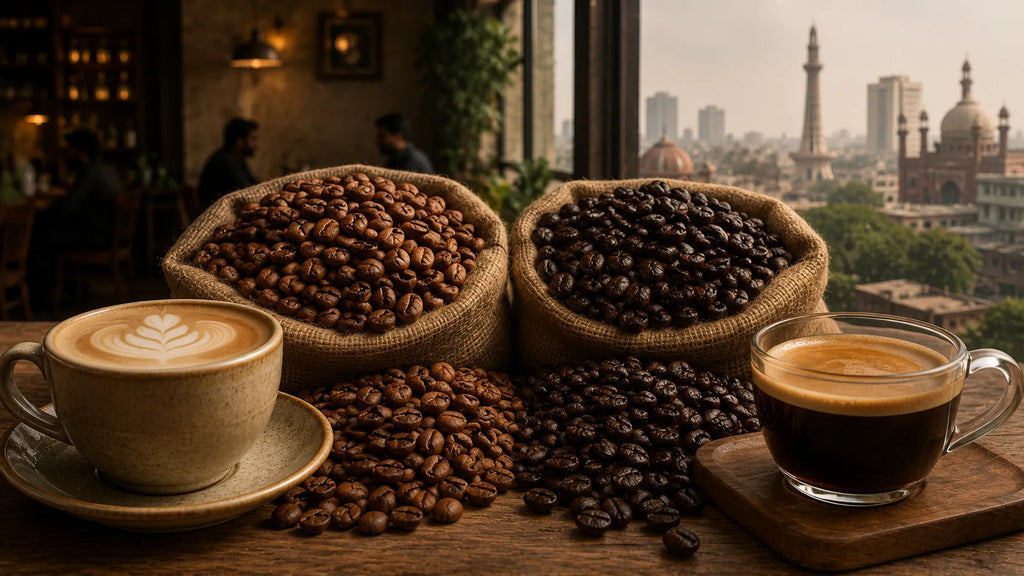
Arabica vs Robusta: Which Coffee Bean Is Best in Pakistan?
Arabica vs Robusta coffee in Pakistan
In Pakistan’s bustling cities—from Karachi’s traffic-choked mornings to Lahore’s office corridors and Islamabad’s quiet evenings—coffee is steadily claiming space alongside the traditional doodh patti. Young professionals, students, and café-goers are discovering that the type of bean in their cup shapes energy levels, taste, and even the overall experience of the day. The two dominant species, Arabica and Robusta, differ significantly in flavour, caffeine content, price, and how they suit everyday life. Understanding these differences helps Pakistani coffee drinkers choose the bean that matches their routine, budget, and preference.
Understanding Arabica Coffee Beans
Arabica (Coffea arabica) accounts for the majority of the world’s specialty coffee. These beans grow best at higher altitudes, typically between 600 and 2,000 metres, where cooler temperatures slow the maturation of the cherries. This slower growth concentrates sugars and complex compounds, producing a smoother, more aromatic cup.
Flavour notes commonly include fruit (berries, citrus, stone fruit), florals, caramel, chocolate, and nuts. Arabica offers brighter acidity and natural sweetness with lower bitterness. Caffeine content sits at roughly 1.2–1.5% by weight, delivering a balanced lift without an aggressive edge. The beans are oval-shaped with a curved crease and contain higher levels of sugars and lipids, contributing to a silkier body.
Because Arabica plants are more delicate and susceptible to pests and disease, yields are lower and production costs higher. This makes pure Arabica more expensive. In Pakistan’s growing specialty scene, almost all quality roasters focus on 100% Arabica, offering single-origin or carefully sourced beans that highlight origin characteristics.
Understanding Robusta Coffee Beans
Robusta (Coffea canephora) is the hardier cousin. It thrives at lower altitudes (0–800 metres), tolerates higher temperatures, and resists pests better partly because of its higher caffeine content, which acts as a natural insecticide. Yields are significantly higher, keeping prices lower.
Robusta delivers a bolder, heavier-bodied cup with earthy, woody, nutty, or dark chocolate notes and low acidity. Many describe it as stronger and more bitter. Caffeine levels reach 2.2–2.7%—nearly double that of Arabica—providing a more intense energy boost. It also produces thicker, longer-lasting crema in espresso, which is why many traditional Italian-style blends include a percentage of Robusta.
Robusta dominates instant coffee and many commercial espresso blends worldwide. In Pakistan, where Nestlé’s Nescafé and similar instant mixes still lead volume sales, Robusta or Robusta-heavy products are widely available and affordable.
Side-by-Side Comparison
| Factor | Arabica | Robusta |
|---|---|---|
| Caffeine | 1.2–1.5% | 2.2–2.7% |
| Flavour | Sweet, complex, fruity/floral | Bold, bitter, earthy/woody |
| Acidity | Higher, brighter | Lower |
| Body | Light to medium, smoother | Full, heavier |
| Crema (espresso) | Moderate | Thick and persistent |
| Growing conditions | High altitude, more delicate | Lower altitude, hardy |
| Price | Higher | Lower |
| Best for | Filter, pour-over, specialty | Espresso blends, instant, strong cups |
These differences directly influence daily use.
Taste and Daily Enjoyment in a Pakistani Context
Taste remains personal. Many Pakistanis transitioning from sweet, milky tea prefer Arabica’s approachable sweetness and complexity. A well-roasted Arabica can feel refined in a simple black pour-over or elegant in a latte. Robusta’s intensity pairs well with milk and sugar—common in local café orders—or stands up in strong espresso-style drinks that cut through heavy meals.
In urban Pakistan, café culture is expanding. Specialty spots increasingly serve 100% Arabica, while mass-market options and home instant rely more on Robusta for cost and strength. Blends (often 70–80% Arabica with 20–30% Robusta) offer a middle path: complexity plus body and crema.
Caffeine and Energy for Your Routine
Caffeine content is a practical deciding factor. An average cup of Arabica delivers roughly 70–100 mg of caffeine, while Robusta can reach 170–200 mg in a comparable serving, depending on brew method and dose.
For a gentle morning start or afternoon focus without jitters, Arabica suits most people. Students preparing for exams or office workers needing sustained alertness through long hours may appreciate Robusta’s stronger kick—especially if they drink fewer cups overall. Those sensitive to caffeine or who drink coffee later in the day usually prefer Arabica to avoid sleep disruption.
Pakistan’s hot climate and long workdays make caffeine management important. Over-reliance on high-caffeine Robusta can lead to afternoon crashes or anxiety for some drinkers. Moderation and timing matter more than the bean alone.
Price and Availability Across Pakistan
Cost influences daily choices. Specialty Arabica beans in Pakistan typically range from Rs 1,700 to Rs 5,000 per 250 g, reflecting import costs, small-batch roasting, and quality. Commodity or lower-grade options and Robusta-based products are more affordable and widely stocked in local markets, supermarkets, and online.
Instant coffee remains the volume leader because of convenience and price. Whole beans and ground coffee are growing with home-brewing interest among younger urban consumers. Online platforms and specialty roasters in major cities make Arabica more accessible than a few years ago, though pure high-quality Robusta remains less common in the premium segment.
Budget-conscious daily drinkers often start with accessible Robusta-leaning options or blends, then upgrade to Arabica as their palate develops and income allows. Buying smaller quantities of fresh-roasted beans and storing them properly maximises value.
Health Considerations
Both beans provide antioxidants, primarily chlorogenic acids. Robusta tends to contain higher levels of these compounds along with more caffeine. Arabica’s lower bitterness and smoother profile may feel gentler on the stomach for some people. Overall health impact depends more on preparation (adding excessive sugar or cream reduces benefits), quantity consumed, and individual tolerance than on the species alone.
Black coffee or lightly sweetened versions align better with wellness trends emerging among Pakistani consumers. Hydration remains essential in the country’s climate, so pairing coffee with water helps.
Matching the Bean to Your Daily Routine
Morning energy seekers and busy professionals: Robusta or a Robusta-inclusive blend delivers a stronger start. Ideal if you need focus for early meetings or long commutes and prefer bold flavour that stands up to milk.
Savouring the experience: Arabica shines for those who enjoy tasting notes and want a refined cup with breakfast or during a mid-morning break. Pour-over, French press, or Aeropress methods highlight its complexity.
Office or study sessions: Arabica supports sustained concentration with less risk of overstimulation. Students and remote workers often favour it for multiple cups across the day.
Espresso and milk-based drinks: Blends with some Robusta improve crema and body, creating café-style cappuccinos or lattes popular in Pakistani outlets.
Evening or lower-caffeine preference: Stick to Arabica, or consider lighter roasts and smaller servings. Avoid Robusta late in the day.
Budget and convenience: Instant Robusta-based products fit tight schedules and wallets. Transition to whole Arabica beans when time and interest allow for better flavour and freshness.
Lifestyle also matters. In joint family homes where multiple people share coffee, a versatile blend often works best. Solo drinkers or those with specific taste preferences can experiment with single-origin Arabica.
Brewing Tips for Pakistani Homes
Freshness is key. Buy whole beans when possible and grind just before brewing. Store in an airtight container away from heat, light, and moisture—Pakistan’s humidity can accelerate staling.
- Pour-over or drip: Best for Arabica to showcase acidity and aromatics.
- French press: Works for both; produces a full-bodied cup.
- Espresso machines or moka pots: Blends or Robusta-enhanced options excel for crema.
- Instant: Convenient starting point; upgrade gradually to better quality.
Water quality affects taste. Filtered water improves results, especially with mineral-heavy municipal supplies in some cities. Experiment with ratios: start with 1:15–1:17 coffee-to-water for filter methods and adjust to preference.
The Growing Coffee Scene in Pakistan
Tea still vastly outnumbers coffee consumption, yet the gap is narrowing, particularly among urban youth. Café culture, home brewing, and premiumisation are driving growth. Specialty Arabica is gaining ground as more people seek quality experiences beyond instant mixes.
Local roasters emphasise origin transparency and fresh roasting. Consumers increasingly read labels for “100% Arabica” and roast dates. This shift rewards informed choices between the two main bean types.
Making Your Choice
Neither bean is universally superior. Arabica offers complexity, smoothness, and approachable caffeine levels that suit mindful daily drinking and evolving palates. Robusta provides strength, body, crema, and value—useful for energy-focused routines or milk-heavy preparations. Many people enjoy both: Arabica for filter methods and quieter moments, Robusta-inclusive options for espresso intensity.
Start by sampling. Visit a local specialty café for a pure Arabica pour-over, try a commercial espresso blend, and notice how each affects your energy and enjoyment across a typical Pakistani day. Track how the coffee interacts with your schedule, meals, and sleep. Over time, the right bean (or blend) becomes clear.
Coffee culture in Pakistan is still young and dynamic. Choosing thoughtfully between Arabica and Robusta turns a simple daily habit into a more enjoyable, energising, and personalised ritual—whether you are rushing through Karachi traffic, studying late in Lahore, or winding down in Islamabad. The best bean is the one that fits your routine, taste, and life.
Related post
03
Sep
Coffee News & Guides Pakistan | SCAFE Coffee Roaster Blog
Arabica vs Robusta: Which Coffee Bean Is Best in Pakistan?
Read more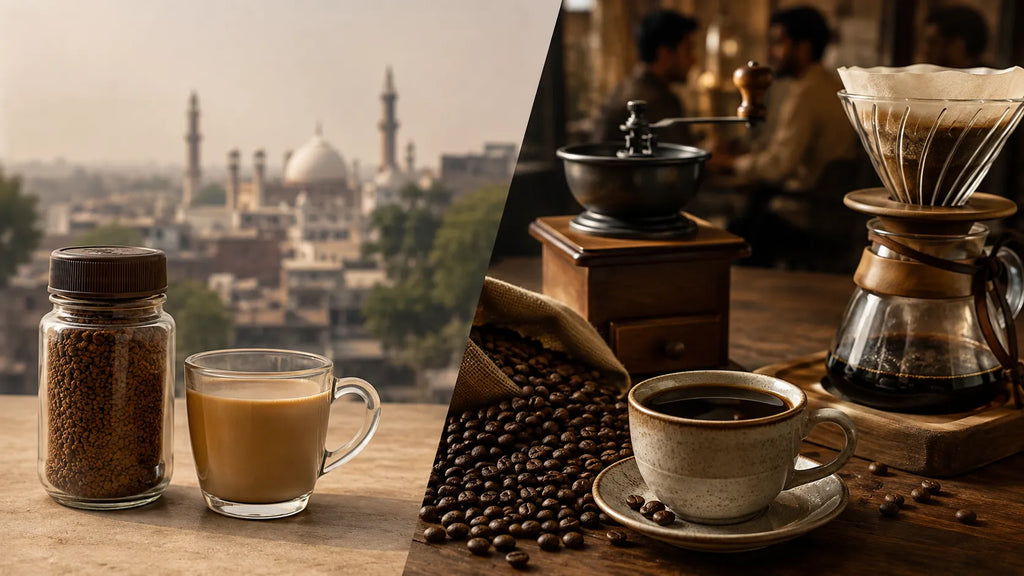
03
Sep
Coffee News & Guides Pakistan | SCAFE Coffee Roaster Blog
Instant Coffee vs Fresh Beans: Why Pakistan Is Making the Switch
Read more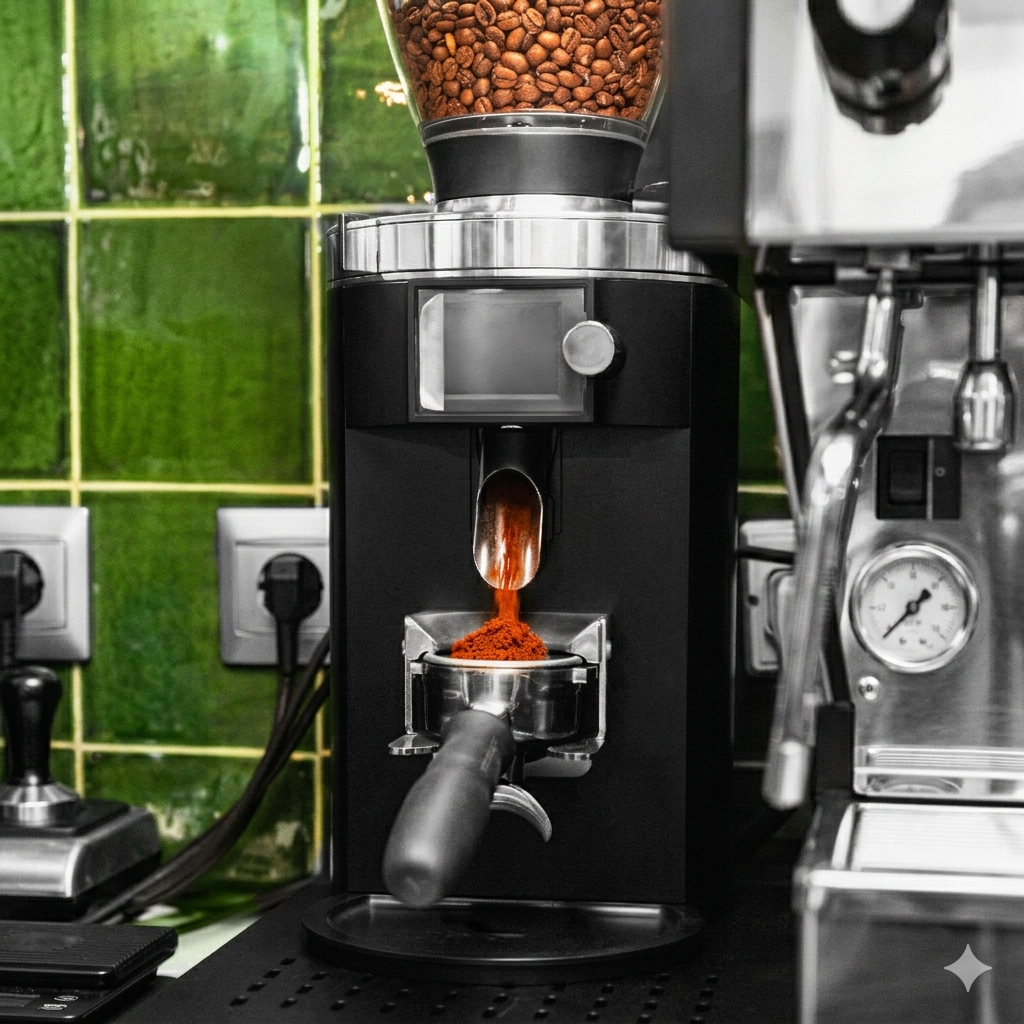
30
Apr
Coffee News & Guides Pakistan | SCAFE Coffee Roaster Blog
Why Your Grinder Settings Change During Rush Hour, Even When You Don’t Touch Them
Read more
18
Dec
Coffee News & Guides Pakistan | SCAFE Coffee Roaster Blog
Best Coffee Beans in Pakistan: A Complete Buyer’s Guide (2026)
Read more
14
Nov
Coffee News & Guides Pakistan | SCAFE Coffee Roaster Blog
Pakistan AeroPress Championship 2026: A Historic Milestone for Pakistan’s Coffee Culture
Read moreRECENT POSTS
30.April.2026
Why Your Grinder Settings Change During Rush Hour, Even When You Don’t Touch Them
0 Comments
14.November.2025
