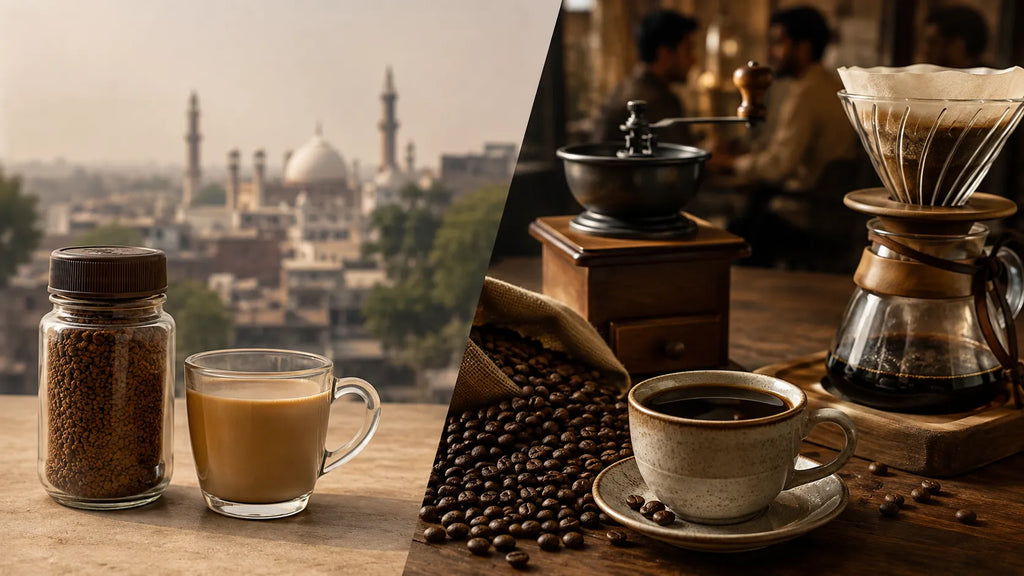
Instant Coffee vs. Freshly Roasted Beans
For decades, Pakistan’s relationship with coffee was defined by convenience. A jar of instant coffee granules—whipped vigorously with milk and sugar to create a frothy, heavy mixture—was the peak of home brewing. However, the country's beverage culture is undergoing a dramatic shift.
Driven by urban expansion, remote work culture, and exposure through digital media, Pakistan’s young demographic is increasingly looking beyond instant solutions. Freshly roasted coffee beans, once restricted to niche high-end imported supermarkets, are entering the homes of everyday consumers. Local micro-roasteries are flourishing in cities like Lahore, Karachi, and Islamabad, while home-brewing equipment like French presses and V60 pour-overs are fast becoming standard kitchen fixtures.
This transition highlights a growing interest in flavor profiles, health benefits, and home brewing rituals.
1. What is Instant Coffee?
To understand why urban Pakistanis are moving away from instant coffee, it helps to examine how it is produced.
Instant coffee begins as brewed coffee made from lower-grade commercial beans—typically Robusta. This brewed liquid is concentrated and then dehydrated using one of two primary methods:
- Spray-Drying: The coffee extract is sprayed into a hot air chamber, which instantly evaporates the moisture, leaving behind a fine powder.
- Freeze-Drying: The coffee extract is frozen into a solid sheet, broken into small fragments, and subjected to a vacuum process (sublimation) where ice converts directly into vapor. This leaves behind solid coffee granules.
Pros:
- Speed: Dissolves immediately in hot water or milk with zero brew time.
- Shelf Life: Unopened or sealed jars remain stable for months or years without degrading significantly.
- Affordability: Generally low cost per serving, making it accessible across lower-to-middle income households.
Cons:
- Loss of Aromatics: The high heat and dehydration destroy essential chemical compounds and delicate volatile oils, leaving behind a flat, bitter, or rubbery taste profile.
- Additives and Fillers: Many commercial 3-in-1 sachets contain added sugars, emulsifiers, non-dairy creamer, and high-fructose corn syrup, turning a daily drink into a high-calorie beverage.
2. What are Freshly Roasted Beans?
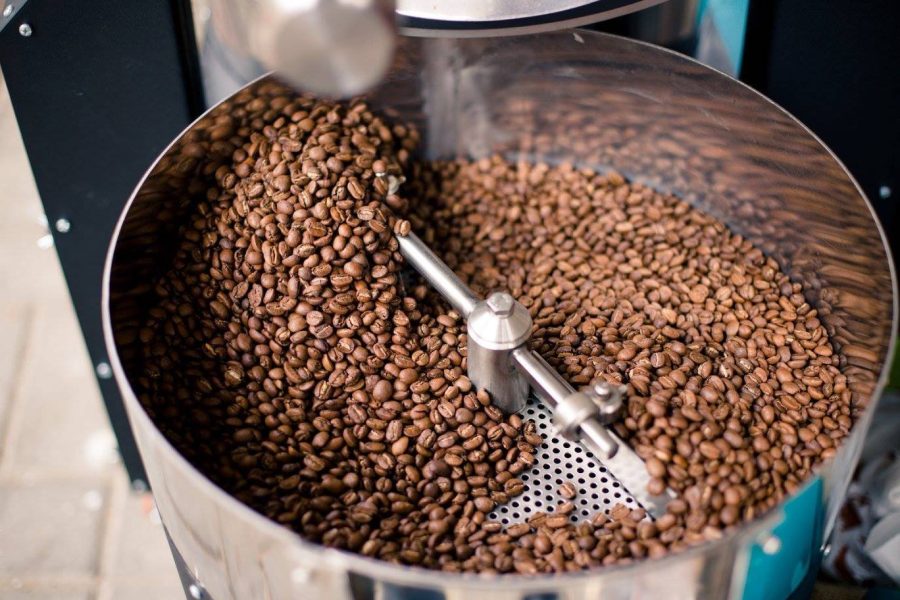
Freshly roasted coffee relies on whole green Arabica or high-grade Robusta beans sourced directly from farms or importers. These green beans are roasted using precise temperature profiles to unlock complex internal sugars, acids, and aromatic oils.
Once roasted, coffee beans enter their prime flavor window, typically between 7 to 30 days after roasting. Freshly roasted beans require grinding immediately before brewing to preserve volatile aromas that dissipate within minutes after the bean structure is fractured.
Pros:
- Complex Taste Profiles: Offers distinct notes such as cocoa, citrus, berries, floral tones, and nutty undertones, depending on origin and roast level.
- Customizable Extraction: Drinkers can fine-tune grind size, water temperature, and brew time to craft their preferred strength and body.
- Zero Fillers: Standard whole-bean coffee consists purely of the roasted seed, containing no added sugars, dairy, or chemicals.
Cons:
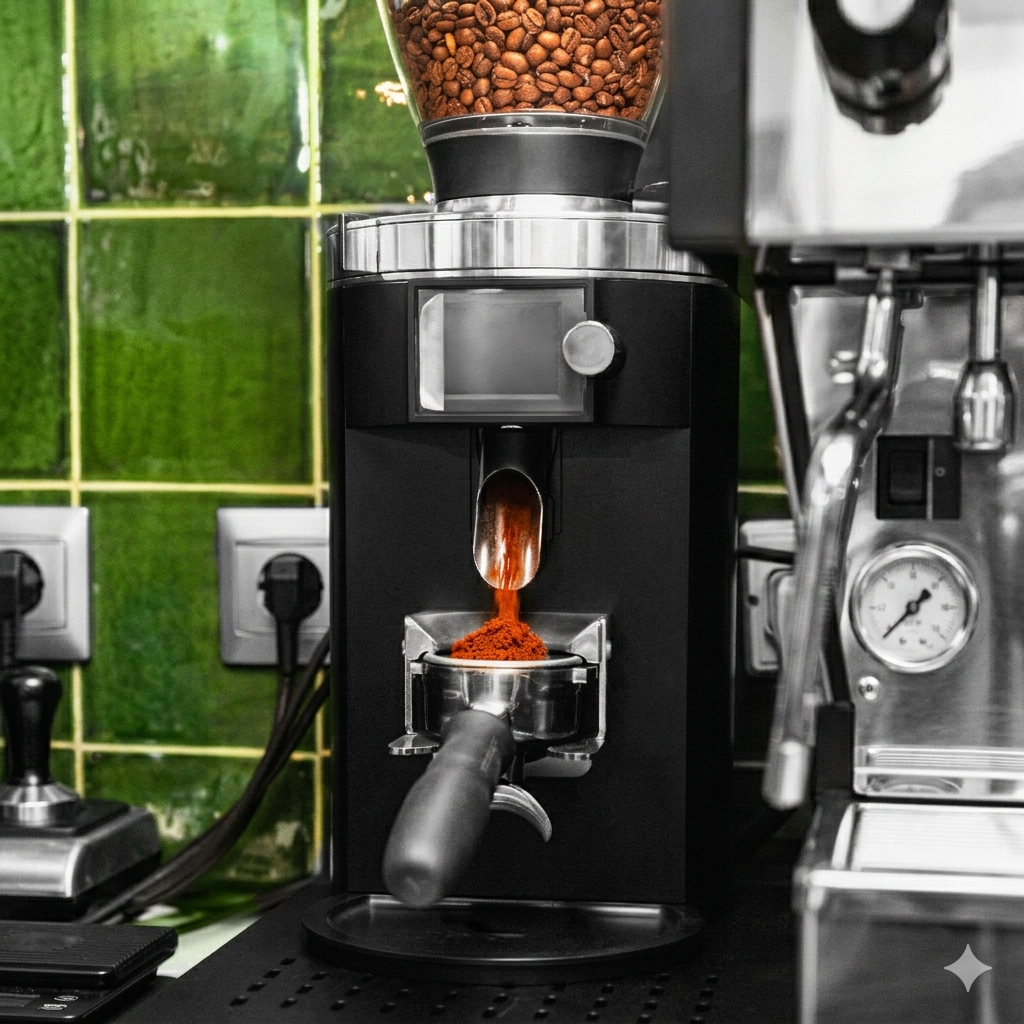
- Requires Equipment: Demands a burr grinder and a manual brewing tool (French Press, AeroPress, V60, Espresso machine).
- Shorter Shelf Life: Loses peak flavor clarity within a month of roasting.
3. Instant Coffee vs. Fresh Beans: Detailed Comparison
| Feature | Instant Coffee | Freshly Roasted Beans |
|---|---|---|
| Primary Bean Type | Robusta (Commercial/Industrial) | Arabica & Specialty Robusta |
| Preparation Time | 30 Seconds | 3 – 5 Minutes |
| Equipment Needed | Mug & Spoon | Grinder, Brewer (V60, French Press, etc.) |
| Flavor Profile | Bitter, smoky, flat, uniform | Complex, floral, fruity, nutty, rich |
| Aroma | Mild to artificial | Intense, natural, volatile |
| Antioxidant Retention | Lower (due to heavy thermal processing) | Higher (preserves chlorogenic acids) |
| Additives | High risk in 3-in-1s (Sugar, Palm Oils) | None (100% pure coffee) |
| Shelf Life | 12 – 24 Months | Peak flavor within 30 days |
| Cost Per Cup in PK | ~Rs. 30 – Rs. 60 | ~Rs. 120 – Rs. 250 |
4. Why Pakistan is Making the Switch
The shift toward specialty whole beans across Pakistan’s metropolitan centers is driven by a mix of changing lifestyle preferences, economic factors, and cultural shifts.
- Demographics & Global Exposure: Urban Gen-Z & Millennials adopt specialty coffee.
- Rise of Local Roasteries: Freshly roasted Arabica available locally.
- Remote Work Culture: At-home brewing replaces casual café trips.
- Health Awareness: Move away from sugary 3-in-1 sachets.
Digital Exposure and Demographics
Pakistan possesses a young population, with over 60% of citizens under 30. Exposure through Instagram, TikTok, and global media has reframed coffee from a medicinal drink taken during winter flu season to an everyday lifestyle habit.
The Local Roastery Expansion
A few years ago, buying freshly roasted coffee required importing expensive foreign brands or relying on friends travelling back from abroad. Today, local specialty roasteries operate out of Lahore (Gulberg, DHA), Karachi (Clifton, Defense), and Islamabad (F-6, F-7), sourcing green coffee directly from Colombia, Ethiopia, and Brazil, then roasting locally to deliver fresh beans to doorsteps nationwide.
Work-From-Home & Remote Work Trends
With the growth of Pakistan's tech, freelancing, and remote work sectors, home offices have expanded. Professionals who previously purchased Rs. 800 lattes from commercial cafés every afternoon are finding it far more economical to invest in a Rs. 6,000 French press and local whole-bean coffee, lowering their per-cup cost while upgrading brew quality.
Health Awareness
As awareness around diabetes and metabolic health grows across Pakistan, urban consumers are scrutinizing nutrition labels. The realization that commercial 3-in-1 instant mixes often contain up to 10-12 grams of sugar and hydrogenated vegetable oils per serving has driven health-conscious consumers toward clean, single-origin whole-bean coffee brewed black or with fresh local milk.
5. Flavor, Health, and Economics: A Deeper Look
Flavor Science
Freshly roasted coffee beans contain hundreds of individual flavor compounds. When coffee is roasted, the Maillard reaction converts amino acids and reducing sugars into complex aromatic oils.
When you grind fresh beans, these volatile oils escape as gas, creating a noticeable aroma. Instant coffee undergoes double heating (brewing followed by dehydration), which evaporates these light, sweet, and bright volatile compounds. What remains is largely the heavy, bitter, heat-resistant baseline flavor.
Health Benefits: Whole Beans vs. Processed Instant
Plain black coffee—whether instant or fresh—contains negligible calories, zero fat, and abundant antioxidants like chlorogenic acid. However, freshly roasted Arabica beans retain higher concentrations of delicate polyphenols that help fight systemic inflammation.
Furthermore, instant coffee is known to contain higher levels of acrylamide, a chemical compound formed during high-temperature thermal processing. While instant coffee remains safe in moderation, freshly roasted coffee contains lower acrylamide concentrations while offering a higher intake of active antioxidants.
The Economic Calculation in Pakistan
| Coffee Type | Daily Cost |
|---|---|
| Specialty Café Latte | Rs. 800 - Rs. 1,200/cup |
| At-Home Fresh Roast | Rs. 120 - Rs. 220/cup |
| Instant Coffee Sachet | Rs. 40 - Rs. 70/cup |
While instant coffee is the cheapest per serving, home brewing with freshly roasted beans delivers café-grade quality at roughly 15–20% of commercial cafe prices, offering a practical middle ground for quality-focused consumers.
6. How to Start Fresh Brewing at Home in Pakistan
Transitioning from instant coffee to fresh beans does not require spending hundreds of thousands of Rupees on commercial espresso machines. You can start brewing fresh coffee at home with a few basic tools:
1. Buy Whole Beans from Local Roasters
Avoid imported supermarket beans with old roast dates.
Look for local Pakistani roasters online or in major cities that print a Roast Date directly on the bag. Choose beans roasted within the last 2 to 3 weeks for optimal flavor clarity.
2. Invest in a Manual Burr Grinder
Avoid blade grinders that chop unevenly.
A hand-cranked burr grinder costs between Rs. 4,000 and Rs. 10,000. Burr grinders crush coffee evenly into uniform particles, which prevents bitter over-extraction or watery under-extraction.
3. Choose an Entry-Level Manual Brewer
Simple setup with minimal cleanup.
A French Press (Rs. 2,500 – Rs. 5,000) or an AeroPress (Rs. 12,000 – Rs. 16,000) are forgiving tools that require no paper filters or complex techniques.
4. Use Filtered Water
Tap water ruins subtle acidity and sweetness.
Pakistani tap water contains high total dissolved solids (TDS) and heavy minerals that muddy coffee flavor. Use filtered or mineral water heated to ~92°C–96°C (stop boiling water 45 seconds before pouring).
Frequently Asked Questions
Is instant coffee bad for health?
Pure instant coffee without added sugar or non-dairy creamer is not inherently harmful. However, 3-in-1 pre-mixed sachets often contain high amounts of refined sugar and hydrogenated palm oils. Additionally, instant coffee contains higher acrylamide levels than fresh ground coffee due to its manufacturing process.
Why is specialty whole-bean coffee more expensive in Pakistan?
Coffee is not commercially grown at scale in Pakistan due to climatic constraints, requiring green beans to be imported from countries in South America, Africa, and Southeast Asia. Import duties, currency conversion rates, freight costs, and the careful art of small-batch roasting contribute to the higher price tag compared to mass-produced commercial instant coffee.
Which manual brewer is best for a beginner in Pakistan?
The French Press is the most beginner-friendly manual brewer. It requires no disposable paper filters, uses a simple steeping method, and produces a full-bodied, strong cup of coffee that transitions well for former chai and instant coffee drinkers.
The Verdict
Instant coffee will always have a place in Pakistani homes due to its low cost, long shelf life, and ease of use. For quick mornings or remote travel, its convenience is tough to beat.
However, as local roasteries expand across Karachi, Lahore, and Islamabad, more consumers are discovering that freshly roasted beans offer superior flavor, cleaner nutrition, and an enjoyable daily ritual. Upgrading your coffee setup from an instant jar to a manual grinder and fresh whole beans is one of the simplest home improvements you can make.